In short, the upholstery meaning has two parts: the padding, springs, webbing and fabric covering that make sofas, armchairs, dining chairs and headboards soft, and the craft of making and fitting them. The word comes from the old “upholsterer”, a tradesman who finished and repaired furniture. When the fabric wears out or the padding sags, a well made piece can usually be reupholstered rather than replaced.
At a glance
- An upholstered piece is built in layers: frame, springs or webbing, padding, then the top fabric.
- For everyday sofas and chairs, choose a fabric rated 15,000 to 25,000 rubs, or 25,000 and above for heavy family use.
- Fabric is often sold by the yard in Ghana; one yard is a little over 90 cm.
- Reupholstering makes sense when the frame is sound and the piece is worth keeping.
- Cost depends on the size and shape of the piece, the fabric, how much padding is replaced and any frame repairs.
Upholstery meaning in practice: the layers inside a sofa or chair
In practice, upholstery is built in layers: a frame, a support layer of springs or webbing, padding such as foam or fibre, and the top fabric, often with a lining in between.
- Frame: the skeleton, usually hardwood or metal. Everything else depends on it being solid.
- Suspension: webbing straps or springs stretched across the frame to support the seat and back. Zigzag springs and coil springs keep their shape longer than webbing alone.
- Padding: foam, often wrapped in fibre for softness. Older pieces may use coir, horsehair or cotton wadding.
- Lining: a plain cotton layer that holds the padding in place under the top fabric.
- Top fabric: the fabric or leather you see and sit on.
- Details: piping along the seams, buttons, decorative nail heads or a skirt around the base.
The same craft covers sofas, armchairs, dining chair seats, headboards, ottomans and benches. Padded seats in cars and buses are upholstery too, but that is a specialist trade of its own.
Which upholstery fabric is best?
The best upholstery fabric balances durability, comfort and care, and for everyday furniture in Ghana that usually means a tightly woven cotton or linen blend, or a performance fabric, with a rub count that suits how hard the piece will be used.
The rub count comes from the Martindale test, which rubs a fabric until it shows wear. It is the easiest way to compare how long two fabrics will last, so ask for it when you choose.
| Martindale rub count | Rating | Use it for |
|---|---|---|
| Up to 10,000 | Decorative | Cushions and accents only |
| 10,000 to 15,000 | Light domestic | Occasional chairs that are rarely used |
| 15,000 to 25,000 | General domestic | Everyday sofas and chairs at home |
| 25,000 to 30,000 | Heavy domestic | Family sofas, recliners and well used chairs |
| 30,000 and above | Commercial | Hotels, restaurants, offices and waiting rooms |
Beyond the rub count, a few things matter in Ghana’s climate:
- Breathability: cotton and linen blends stay cooler than vinyl or faux leather in humid weather.
- Colourfastness: some fabrics fade quickly in strong sun, so ask how a fabric copes with light if the piece sits near a window.
- Cleaning: tightly woven and stain resistant fabrics cope better with spills and harmattan dust, and removable covers can be washed.
- Pattern: large patterns have to be matched across cushions and seams, which uses more fabric and adds to the cost.
What upholstery designs and details can you choose?
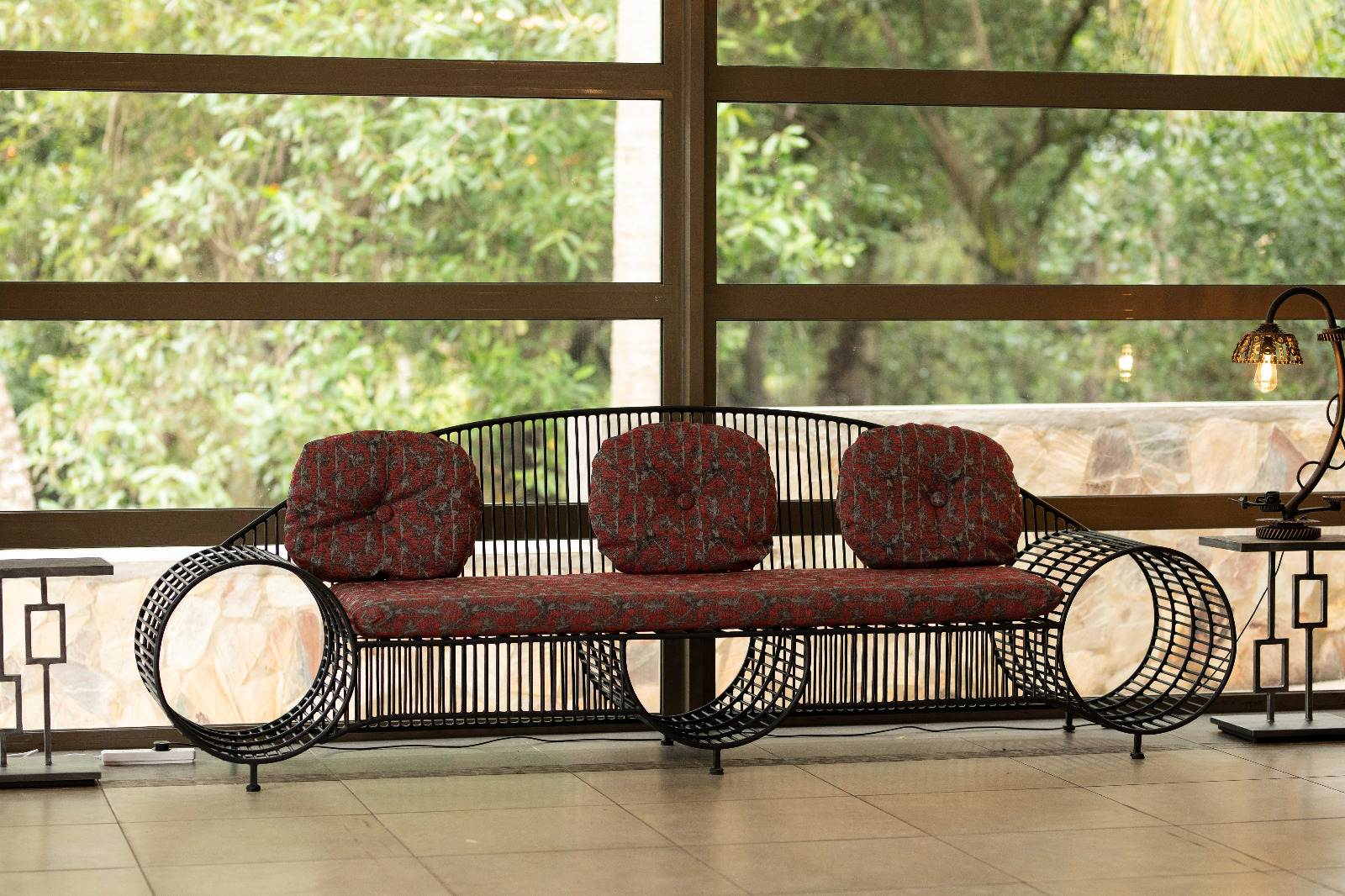
The main upholstery designs are tight backs or loose cushions, buttoned or plain, piped or plain seams, and a skirt or exposed legs, and these details change the look of a piece as much as the fabric does.
- Tight back or loose cushions: a tight back is fixed and neat; loose cushions are softer and can be turned to spread wear.
- Buttoned: deep buttoning gives a classic, tailored look, but takes longer to make and to clean.
- Piping: a thin cord along the seams sharpens the outline and can be in a contrasting colour.
- Nail heads: rows of decorative studs suit leather and traditional chairs.
- Skirt or legs: a fabric skirt hides the base for a softer look, while visible legs, in timber or metal, make a piece look lighter.
When should you reupholster furniture?
Reupholster when the frame is sound but the fabric is worn, torn or faded, the padding has gone flat, or you want the piece to suit a new room.
Signs that a piece is ready:
- The fabric is threadbare, torn, stained or badly faded.
- Seat cushions stay flat or you can feel the frame or springs when you sit.
- The piece wobbles or creaks, which often means loose joints that can be repaired at the same time.
- It is well made, valuable or simply has a family history you want to keep.
It is usually not worth it if the frame is broken beyond repair, badly damaged by termites, or made from chipboard, because the work can cost more than the piece is worth.
Is it cheaper to reupholster or replace?
Reupholstering usually costs less than buying a new piece of the same quality, but it can cost more than a cheap replacement, so it pays off most on well made or sentimental furniture.
What drives the cost:
- Size and shape: a wing chair or a buttoned back takes far longer than a simple dining seat.
- Fabric: the price per yard or metre and how much is needed, including extra for pattern matching.
- What is replaced: new foam, webbing or springs add materials and time.
- Frame repairs: loose joints, broken rails or a rusted metal frame need fixing before any fabric goes on.
- Details: piping, buttons and nail heads add labour.
What happens when furniture is reupholstered?
Reupholstery strips a piece back to its frame, repairs the frame, replaces worn springs and padding, then fits and finishes the new fabric.
- Assess and choose: the piece is inspected, the scope is agreed and the fabric and colour are chosen.
- Strip it back: the old fabric, padding and any tired webbing are removed down to the frame.
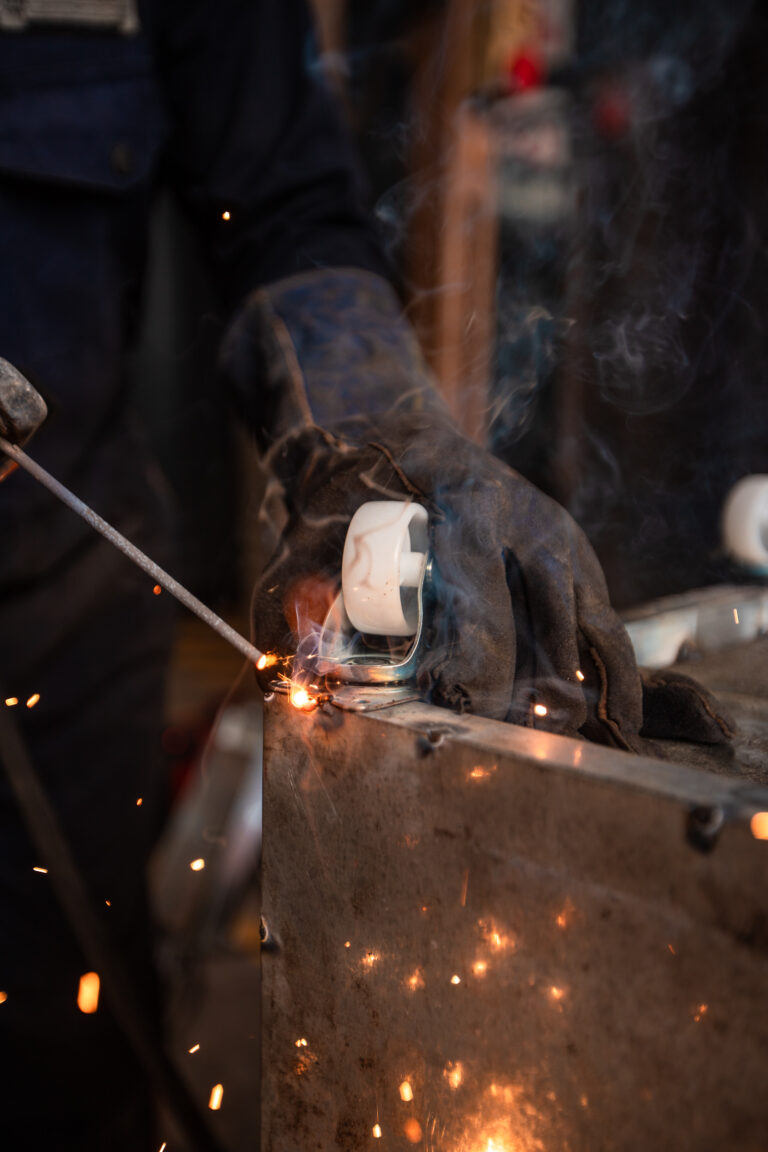
- Repair the frame: loose joints are reglued and broken parts replaced. On metal frames, rust is treated and joints are rewelded where needed, as our wrought iron furniture guide describes.
- Rebuild the support: new webbing or springs go in, followed by fresh padding.
- Fit the fabric: the new fabric is cut, fitted, stretched and fixed, with piping, buttons or trims added.
- Finish what shows: visible wooden legs and arms are polished, and metal frames can be refinished so the whole piece looks new.
How Accents & Art reupholsters furniture
We assess each piece, repair the structure properly first, then reupholster it in the fabric and colour you choose, for homes, offices, hotels and restaurants.
Our furniture reupholstery in Accra covers sofas and upholstered chairs, office seating and hotel and restaurant furniture that sees heavy daily use. Because our Bubuashie workshop also has woodworkers and welders, damaged wooden and metal frames are repaired rather than hidden under new fabric, with metal repairs handled by our metal fabrication team. Every piece is inspected with you before it goes back, and if you are changing the whole room, the restored piece can be designed back into the room with the rest of the scheme.

Frequently asked questions
What does an upholsterer do?
An upholsterer pads and covers furniture: stripping the old fabric, repairing or rebuilding the springs, webbing and padding, then cutting, fitting and finishing new fabric or leather. Some also build new upholstered pieces on a bare frame, and some specialise in cars or commercial seating. A good upholsterer checks the frame before anything else.
What is the difference between upholstery and reupholstery?
The difference between upholstery and reupholstery is that upholstery is the soft covering on furniture and the craft of making it, while reupholstery is replacing that covering on an existing piece. Reupholstery often renews the padding and springs as well, and is the moment to repair any loose joints in the frame.
How do you clean fabric upholstery?
To clean fabric upholstery, vacuum it with a brush attachment, then blot spills straight away with a clean white cloth rather than rubbing. Check the care code under a seat cushion: W means water based cleaners, S means solvent only, and X means vacuum only. Test any cleaner on a hidden patch first.
Can leather furniture be reupholstered?
Leather furniture can be reupholstered, either in new leather or in fabric, as long as the frame is sound. Worn, cracked or faded leather is removed, the padding underneath is renewed, and the new covering is fitted. Switching to a breathable fabric can make a leather sofa far cooler to sit on in humid weather.
If you have a sofa or chairs worth saving, send us photos and measurements and we can advise honestly whether reupholstery or replacement makes more sense.