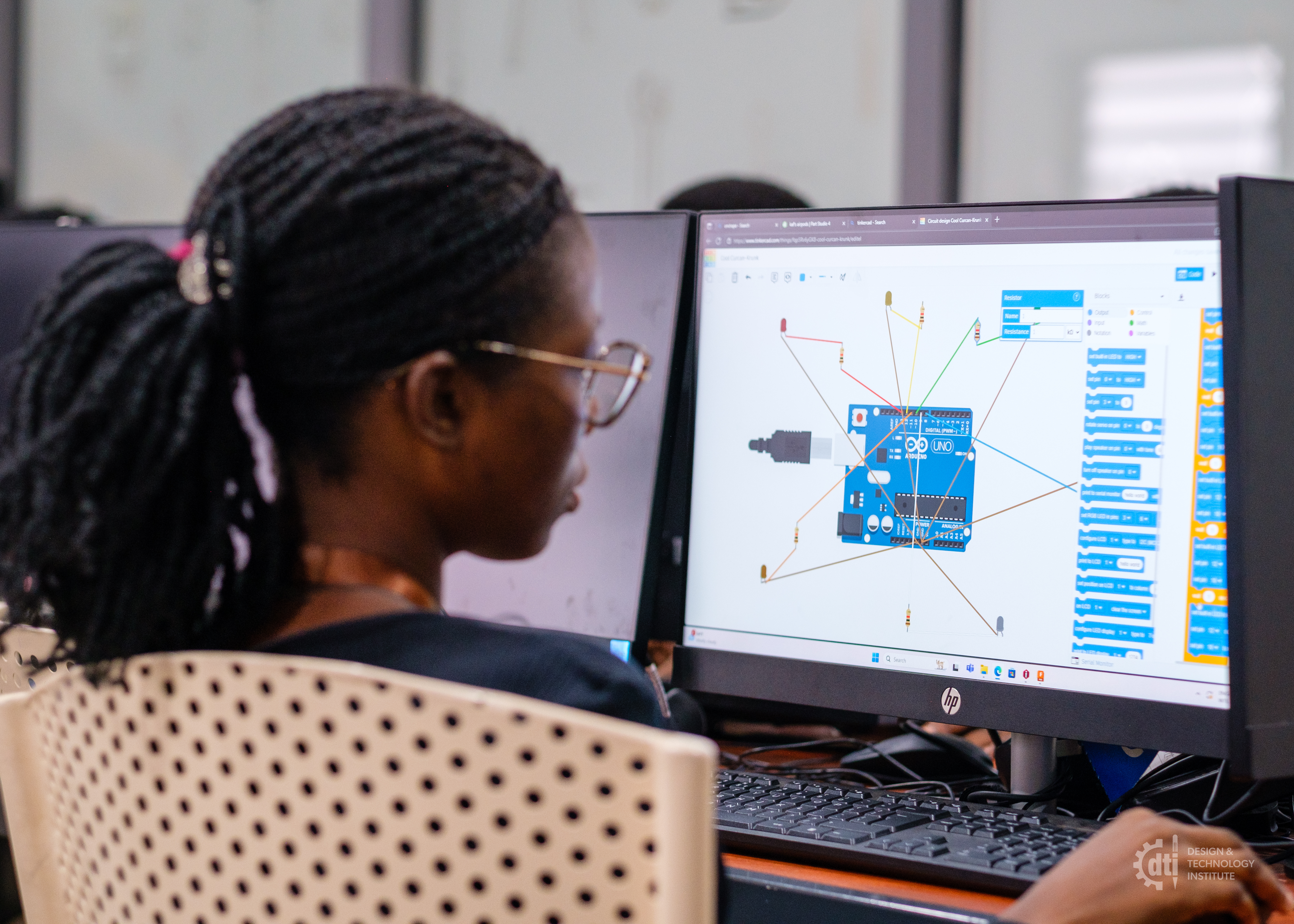
CAD, or computer aided design, is the use of software to create an accurate drawing or model of a piece before it is made. In custom fabrication, it lets you see and approve a design, and lets the maker catch problems, before any material is cut.
Commissioning a custom piece for the first time can feel like a leap of faith. You have a picture in your head, and you are trusting someone else to turn it into something real. This is exactly the gap that CAD design closes, and it is worth understanding what it involves before your project reaches the workshop floor.
What is CAD design?
CAD stands for computer aided design. In practice, it means using software to create an accurate drawing or three dimensional model of a piece before any material is cut, welded or shaped. Dimensions, proportions and details are worked out on screen, where they can be checked, adjusted and refined.
Depending on the complexity of a piece, this might be a simple two dimensional drawing, or a fuller three dimensional model that shows how something will actually look from different angles. Either way, the result is a shared, accurate reference that both you and your maker can look at and agree on before anything physical begins.
What a CAD drawing actually shows you
A CAD drawing typically shows a piece from several angles, with key dimensions marked directly onto the drawing. For a more complex commission, this might be paired with a three dimensional view that lets you see how a piece will actually sit and catch the light, rather than relying on a flat plan alone.
When you are shown a design, it is worth looking at how it relates to your actual space: does the scale feel right against a doorway, a wall, or a piece of furniture already in the room, and does the level of detail shown match what you pictured when you first described the idea. These are the two questions a design stage is there to answer, before anything is committed to material.
This is also where small but important details get resolved: how a joint will look, where a seam falls, how one material meets another, long before any of it has to be decided under the pressure of a half finished piece.
Why a design stage matters before anything is made
The biggest value of CAD is timing. A proportion that looks wrong, a scale that will not suit a space, a detail that will not sit well against the rest of a design, these are all far easier and cheaper to fix on screen than after material has already been cut.
This also changes how accurately a project can be costed. Once dimensions and materials are fixed in a drawing, quantities can be worked out properly, rather than estimated. For you as the client, it means fewer surprises later in the process, since what has been agreed at the design stage is what actually gets made.
Benefits beyond the drawing itself
Beyond catching visual and structural issues early, a CAD drawing gives an accurate basis for working out how much material a piece will need. That reduces guesswork in both directions, ordering too little and causing delay, or ordering too much and creating unnecessary waste, and supports a more accurate quote from the outset.
It also creates a lasting reference. If a piece ever needs a matching addition, a repair, or a second piece made to the same design, the original drawing means that work can start from an accurate record rather than from measurements taken after the fact.
How CAD fits into the process of making a custom piece
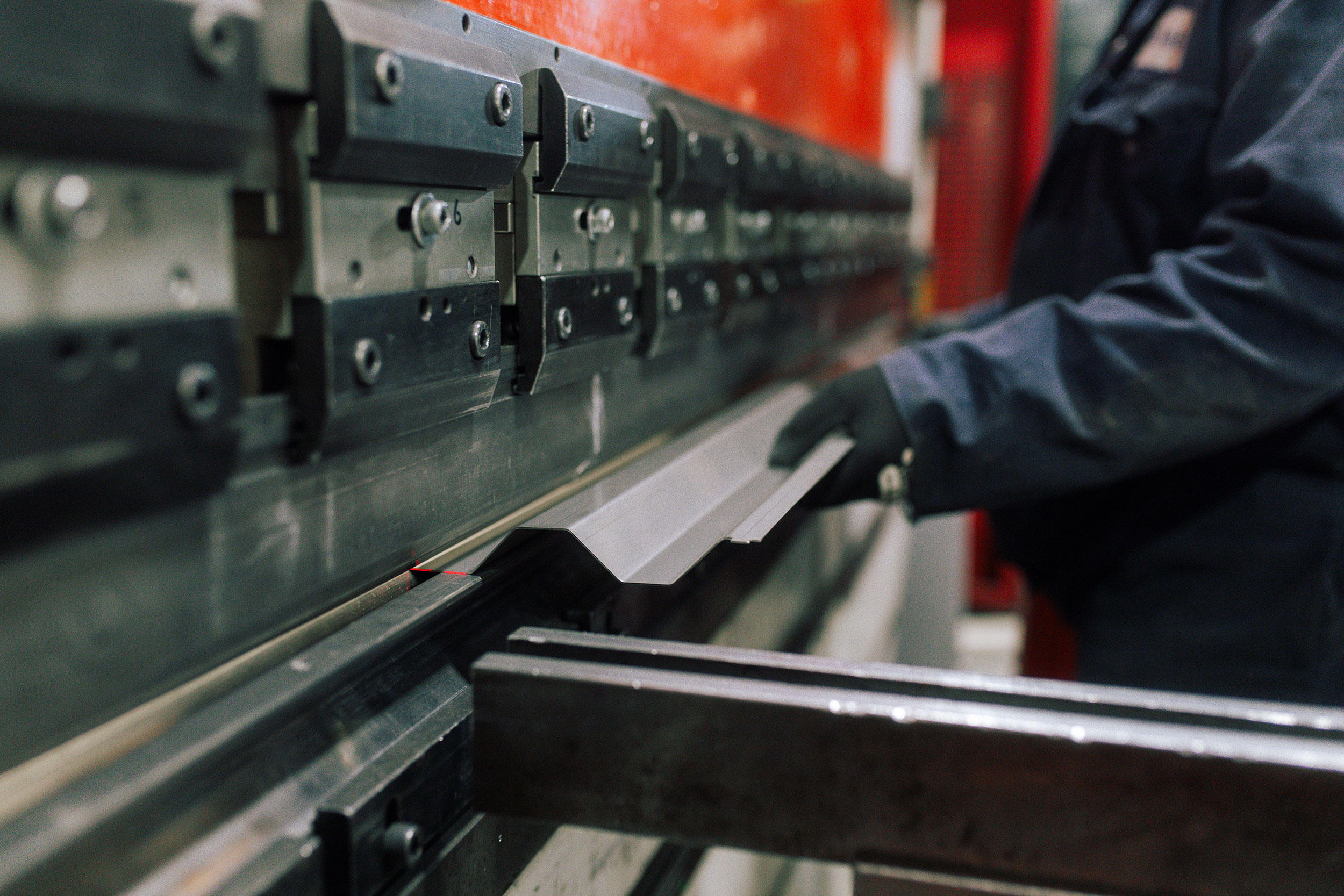
At Accents & Art, a commission runs from concept and CAD design, through fabrication, finishing, and finally installation, all handled in our Accra workshop. The design stage sits right at the start, once we understand what you are picturing for your space.
That drawing or model then becomes the working reference for everything that follows, guiding our fabrication work through cutting, joining and shaping, then finishing, and finally installation. Skipping or rushing this stage removes the very step that keeps the rest of the process aligned with what you actually asked for.
Common questions about the design stage
It is natural to wonder how closely a finished piece will match its drawing. In general, a CAD model is a highly accurate reference, since it is built to the same dimensions the finished piece will be made to, and any changes agreed at this stage are carried through directly into fabrication.
It is also reasonable to ask how changes are handled if something does not look quite right once you see it drawn out. Raising a concern at the design stage, before material has been cut, is always the easiest and least costly point to make an adjustment, which is exactly why this stage exists in the first place.
Why the design stage is time well spent
It can be tempting to see the design stage as a step between you and the finished piece, rather than part of getting there. In practice, it is what prevents the far more costly delay of discovering a mismatch after fabrication has already begun, when changes are no longer a quick adjustment on screen but a rework in material, time and cost.
Treated this way, CAD design is not an obstacle on the way to your finished piece. It is the stage that gives you a genuine say in how that piece turns out, before the outcome is fixed in metal, wood, cane or glass.
What this means for you as the client
Before fabrication begins on your piece, you should expect to see and approve a design, whether that is a drawing, a model, or both. This is your opportunity to ask questions, request changes, and check that scale and proportion will genuinely suit your space, all while it still costs nothing more than a conversation to adjust.
A maker who moves straight from a rough idea to fabrication, without this stage, is skipping the part of the process that most directly protects your investment. It is a fair and reasonable thing to ask about before you commission any custom piece.
If you are planning a custom piece and want to understand what the design stage will involve, our workshop can walk you through it, and you are welcome to start a commission whenever you are ready.